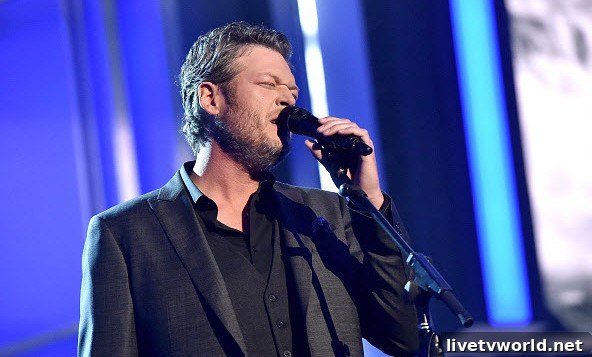
There was surprisingly little mainstream coverage when a set of alleged tweets attributed to Blake Shelton resurfaced, prompting accusations of racist, homophobic and misogynistic language. Several outlets reported that many of the messages dated back to 2010–2011, before Shelton rose to national prominence as a coach on The Voice. Some reports also suggested that NBC or representatives for The Voice contacted media outlets to discourage additional coverage, offering continued access to the show and its stars in exchange for silence.
After social-media users recovered the problematic messages — allegedly posted years earlier — publicists for the talent show reportedly contacted at least one major outlet and implied that access to interviews and tapings could be withdrawn if the story continued to run. By the following day, links to certain stories had reportedly been removed.
Because many U.S.-based outlets did not run follow-ups, the most visible coverage came from outlets operating outside the network’s immediate influence. Those reports included apparent screen grabs of the disputed tweets. The images published alongside this article match the screenshots that circulated during the initial backlash.
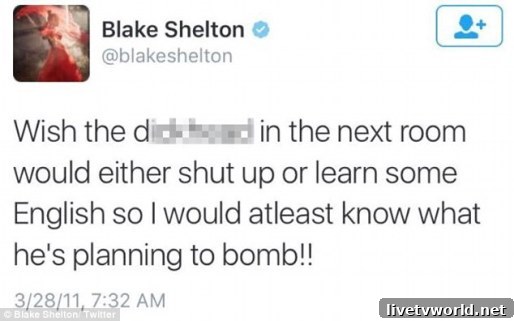
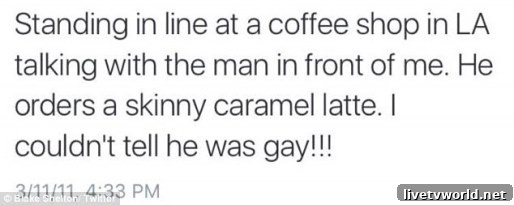
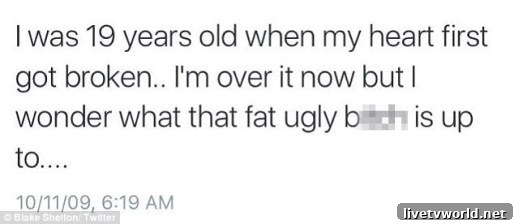
The alleged tweets included explicit and offensive language. Examples reported at the time included references to sleeping with “two young blonde and black haired bitches” and a crude comment about then-16-year-old actress Dakota Fanning. Another purported message read: “If you haven’t noticed Richard Simmons is gay, you haven’t noticed Katy Perry’s boobs.” These snippets ignited strong reactions among fans and critics alike, though verification of the originals remained a point of contention.
One source close to the situation told Page Six that Shelton’s team expected the controversy to fade but that representatives for The Voice had asked at least one outlet not to run further coverage, hinting that doing so could jeopardize future access to cast members and tapings.
Observers who follow Shelton’s public persona note that he often uses brash, unfiltered humor and has a history of making comments that some find provocative. That pattern led many to view the resurfaced messages as plausible, even if definitive proof was not available in every instance. Shelton has also been known to voice admiration for public figures who speak bluntly; in a past interview he commented on a public figure’s tendency to “say what he thinks,” suggesting he respected that candidness without explicitly endorsing the person’s politics.
This background made it easier for some to accept the possibility that Shelton was behind the old tweets, while others called for caution and evidence before assigning blame. The dispute highlighted broader questions about how quickly old social media content can be resurrected and the responsibilities of publicists, networks and news organizations when handling such stories.
In response to the uproar, Shelton issued a message on his Twitter account. His post expressed regret toward anyone who was offended, language that many described as a non-apology. At the same time, the statement appeared to acknowledge the existence of the disputed messages rather than deny them outright.
The episode serves as a reminder of how historical social media activity — verified or alleged — can resurface and generate fresh controversy for public figures. It also illustrates the tensions that can arise between entertainment publicity teams and the media when reputations and access to talent are at stake. As with similar incidents, clear documentation and transparent reporting are essential for reaching accurate conclusions, and readers should weigh claims carefully when screenshots and secondhand accounts are the primary evidence.
Note: This account summarizes the publicly reported controversy and related developments without introducing unverified claims beyond those already circulated in media reports at the time.