Samuel L. Jackson Corrects KTLA Anchor After Case of Mistaken Identity
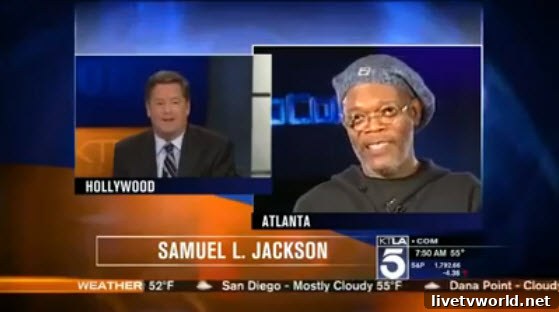
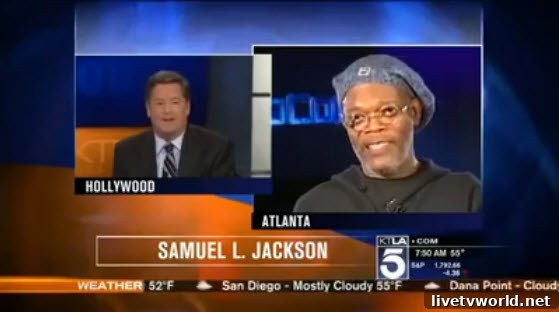
In a memorable interview moment that drew attention for both its frankness and its humor, Samuel L. Jackson sharply corrected a KTLA entertainment anchor who had mistaken him for fellow actor Laurence Fishburne. The exchange—short, pointed and delivered with Jackson’s trademark directness—highlighted how quickly a casual on-air error can become a teachable moment about respect, recognition and professional interviewing.
The encounter began when the KTLA anchor asked Jackson, “Did you get a lot of reaction to that Super Bowl commercial?” Jackson replied with surprise: “What Super Bowl commercial? You’re as crazy as the people on Twitter. I’m not Laurence Fishburne.” His response underscored both the personal irritation of being misidentified and the broader frustration many celebrities feel when reporters or the public assume likeness between well-known figures.
Jackson added, “We may be all black and famous, but we all don’t look alike,” delivering the line with a mix of irony and sharpness. He then went on to clarify which commercials featured which actors, name-checking the performers involved and pointing out which spots he himself had actually starred in. The concise rundown served to correct the record while also turning the moment into a brief, educational recap of recent ads and casting.
KTLA’s entertainment reporter Sam Rubin acknowledged the mistake on camera and apologized for the gaffe. Rubin’s on-air apology and admission—“that was my mistake” in effect—prevented the situation from becoming more contentious and demonstrated a responsible approach to correcting an error during live coverage. That willingness to own up to the misstep helped shape the interaction into one that many viewers saw as a candid conversation rather than a defensive confrontation.
Beyond the immediate exchange, incidents like this often spark broader discussion about how celebrities, especially those from underrepresented communities, are perceived and covered in media. Mistaking one prominent actor for another can reflect gaps in preparation, unconscious bias, or a lack of familiarity with an individual’s body of work—issues that matter to journalists, producers and audiences alike. In this case, Jackson’s correction was clear and direct, reminding media professionals of the importance of accuracy and cultural awareness in interviews.
From a journalistic standpoint, the segment offers several practical takeaways. First, thorough preparation is essential: confirming the subject’s recent projects, appearances and notable credits avoids avoidable mistakes. Second, rapid, sincere correction when an error does occur helps preserve trust between interviewer and guest and retains credibility with viewers. Third, the exchange illustrates how a celebrity’s reaction can set the tone for how a story is received—Jackson’s combination of humor and pointed rebuttal turned an awkward moment into a memorable on-air lesson.
For fans of film and television, the clip also served as a reminder of the distinctive careers both Samuel L. Jackson and Laurence Fishburne have built. Both actors have long histories of iconic roles and memorable performances; confusing the two underscored why attention to detail matters when reporting on celebrated artists with extensive, high-profile résumés.
In the end, the segment stands out less for the initial mistake than for how it was handled: a direct correction from Jackson, a prompt apology from the reporter, and a short, clarifying exchange that left viewers informed and, for many, amused. Moments like this are worth noting because they reveal how live television can turn a simple question into a teachable instance about respect, preparation and the power of a well-placed retort.
While the incident was brief, it prompted conversation about media responsibility and the need for cultural competence in public-facing roles. The combined effect of Jackson’s forthright reply and the reporter’s admission of fault created a clear resolution on air—one that reinforced the simple journalistic principles of accuracy and accountability.