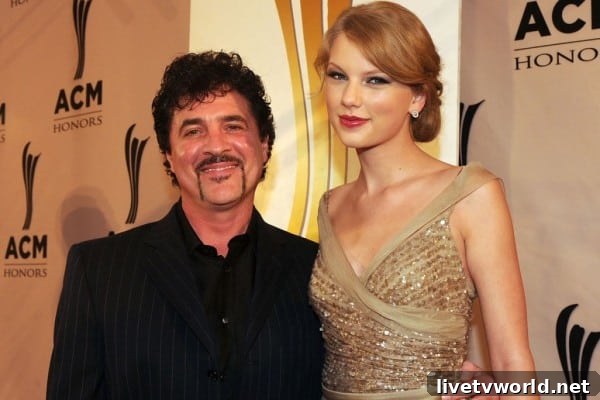
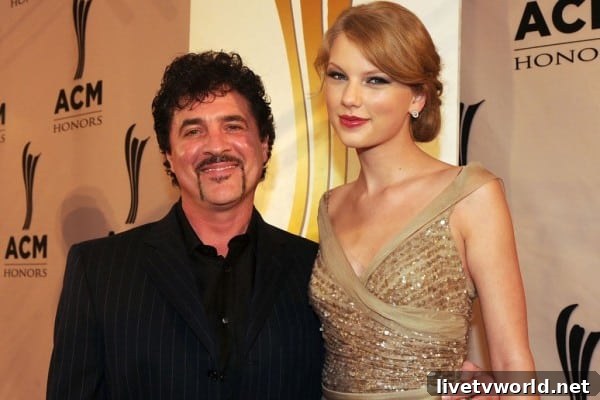
Scott Borchetta, head of Big Machine Label Group and a mentor on American Idol, has said he was unaware of Taylor Swift’s open letter to Apple Music before she published it. Swift’s message criticized Apple’s then-proposed streaming payments policy, which would have left artists without royalties during a three-month free trial offered to users.
Borchetta described the timeline at Fortune’s Brainstorm Tech event, explaining that he had been negotiating with Apple executives about the company’s approach to streaming compensation in the days leading up to Swift’s post, which she published on Father’s Day. According to Borchetta, he did not receive advance notice from Swift about her letter. Instead, she reportedly texted him a link and a brief note that read, “Don’t be mad.”
After reading Swift’s post, Borchetta immediately forwarded the letter to top Apple executives, including Jimmy Iovine and Eddy Cue, urging the company to change course before Apple Music’s launch. He says he told them the label and artist community could not support a policy that withheld payments during the free-trial period, and that they still had an opportunity to “do the right thing.”
“The conversation started with myself and the executives of Apple, just as a label group conversation of ‘I can’t support this. You need to pay us from the first stream.’ And those conversations were leading up to the weekend where Taylor posted the blog. She and I hadn’t spoken that week. So she literally texted me and said ‘Don’t be mad’ with a link. So, I click through and read it and responded back — she was in Europe — and said ‘you don’t know how good your timing is right now. Here’s the conversations I’m having with Jimmy, Ian at Apple.’ I was set to have a big conference call the next day on Monday, this was Sunday Father’s Day. And through me sending the blog to Jimmy and Eddy [Cue] and them getting immediate feedback, my conversations were like ‘Here’s the good news, you haven’t launched yet. You can do the right thing. And if you do the right thing, the artist community are going to look at you as the good guys.’ It’s a rare opportunity when you can do something for the greater good. So throughout the day, [we had] several conversations and by 9 o’clock that night they agreed to literally pay from the first spin.”
Borchetta’s account emphasizes that he pushed Apple to change the proposed royalty practice and that his communications with Apple were already in motion when Swift’s public letter appeared. He says the executives responded quickly after receiving the letter and that by that evening Apple had agreed to pay royalties from the first stream, effectively addressing the immediate concern raised by artists and labels.
The incident drew widespread attention because it highlighted an important debate about how streaming services compensate creators, especially during promotional free-trial periods. Taylor Swift’s public objection amplified artist concerns and put pressure on a major tech company to revisit its policies. Borchetta’s explanation aimed to clarify that Swift’s public statement was not a coordinated stunt between her, the label, and Apple, but rather an intervention that aligned with ongoing private negotiations.
Observers noted the speed of Apple’s reversal after Swift’s letter, and that swift action underscored how public pressure and industry negotiations can converge to influence streaming economics. For artists, songwriters, and labels, the outcome represented an important precedent: companies launching new streaming services could be held accountable for ensuring creators receive compensation for streams, even during introductory free periods.
While some skeptics suggested the rapid agreement might have been orchestrated, Borchetta maintained that his discussions with Apple preceded Swift’s publication, and that her message simply accelerated conversations that were already taking place. The episode remains an example of how high-profile artist advocacy, combined with industry negotiation, can affect policy decisions in the evolving music streaming landscape.
This account was reported following Borchetta’s remarks at a public technology and media event and was covered by music industry press.