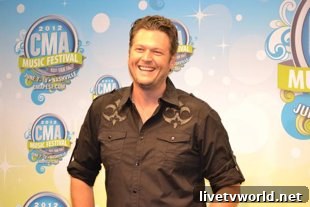
Blake Shelton’s Controversial Tweet and the Debate Over Animal Cruelty on Social Media
Anyone who follows The Voice coach Blake Shelton on Twitter knows he often uses coarse language and plays the role of a provocateur. His posts frequently read like brash, off‑hand banter—sometimes joking about drinking, sometimes trading barbs with critics. For many followers, that persona is part of his public image; for others, it crosses a line.
Recently, Shelton posted a tweet claiming he had intentionally swerved his vehicle to hit a turtle. At first glance the message looked like another of his outrageous, off‑the‑cuff jokes, and many people treated it as such. But the tweet caught the attention of NPR science writer Barbara King, who publicly criticized the remark. Shelton replied to her with an abrupt “shut up,” apparently unaware of who she was or that she could challenge him in a forum with a large audience.
The exchange attracted more attention when it was reposted on sites such as BuzzFeed and discussed widely on social media. Some online commentators responded sarcastically in defense of Shelton; a few even made light of animal cruelty. That reaction prompted a stronger response from critics who felt the post had real implications beyond celebrity banter.
King’s blog post highlighted a disturbing statistic she had referenced from a NASA scientist: roughly 6 percent of drivers admit they intentionally swerve to hit animals. Her point was that when a public figure with millions of followers tweets about intentionally striking an animal, even as a joke, it risks normalizing or minimizing behavior that can be cruel and dangerous. Public voices, especially celebrities, shape norms and influence audiences, and some readers felt Shelton’s tone was irresponsible.
It’s reasonable to separate two related issues. First, there is Shelton’s persona on Twitter—an often exaggerated, combative voice that many interpret as performance or shtick. Fans familiar with that persona may see his jokes as part of a longstanding pattern. A single flippant tweet is unlikely to turn a compassionate person toward cruelty. On the other hand, when public figures make light of harming animals, it can validate the attitudes of those already disposed to harmful behavior, especially in an environment where social responses matter.
The second issue concerns civility. Regardless of the content of King’s critique, Shelton’s “shut up” reply was uncivil. Dismissing a critic in that way undermines constructive conversation and closed off an opportunity for a more thoughtful exchange. When someone with a large platform speaks rudely to a journalist or critic, it also invites wider scrutiny and can harm the speaker’s credibility.
Conversations about celebrity responsibility and online behavior are not just about individual tweets. They involve broader questions about how social media normalizes certain attitudes, how public figures influence behavior, and how accountability should work in digital spaces. Critics argue that celebrities should be mindful of the reach of their words; supporters argue for artistic persona and the right to joke. Both perspectives matter in evaluating moments like this one.
In the end, the most constructive response is nuanced. It’s fair to call out jokes that trivialize harm and to remind public figures that their words have consequences. It’s also fair to recognize when someone is using a combative persona rather than expressing genuine intent. Civil discourse—on both sides—would lead to better outcomes than insult and escalation. Shelton’s tweet and his abrupt reply to Barbara King created a teachable moment about how celebrities communicate online and how we, as a public, respond.
Whether you view the incident as harmless shtick or a problematic endorsement of animal cruelty largely depends on how you weigh persona, intent, and influence. What remains clear is that social media interactions between celebrities and critics can rapidly amplify small comments into broader debates, and that civility and thoughtfulness matter when the conversation reaches a wide audience.