
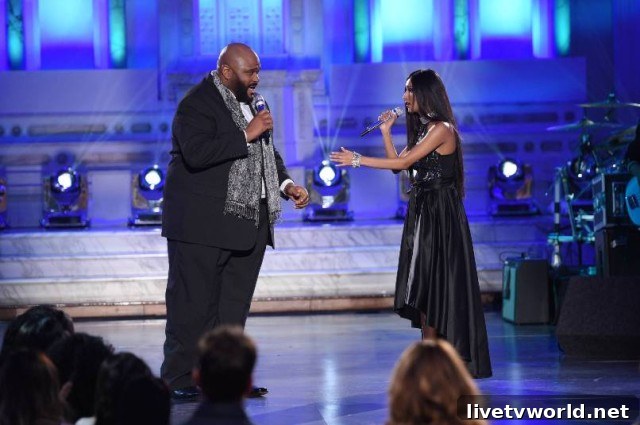
The concept of pairing American Idol alumni with current contestants is appealing in theory. Bringing back former winners and standout performers to mentor or duet with newcomers can create memorable television and showcase how much the contestants have grown. However, when the format sends in veteran alums to perform songs they already know while contestants are expected to match their level under intense competition pressure, the result can be uneven and unfair.
During the first half of the semifinals — a two-part program splitting the Top 24 into two groups of twelve — contestants were asked to deliver solo performances for the judges in a fast-paced, one-hour show and then return for duet performances with past Idol stars. Although the duets were presented as more relaxed and celebratory, the contestants faced the added challenge of learning or adapting to songs that were either signature recordings or singles associated with the alums they sang alongside. That placed a heavy burden on contestants already coping with nerves and the stakes of advancing in the competition.
Uneven pairings and questionable song assignments undermined some of the strongest possible moments. When judges compared green contestants directly to the seasoned alums standing next to them it felt like an unfair benchmark. For example, some contestants simply couldn’t be expected to match the stagecraft and vocal maturity of artists who have spent years recording, touring, and honing their craft. Emily Brooke (as mentioned in the original broadcasts) is a clear example: she has real potential, but asking her to be measured against a performer with many more years of experience doesn’t reflect the normal arc of artistic development. With consistent coaching and stage time, she could close that gap.
Other pairings were particularly mismatched. Putting an unpolished singer like Jordan Sasser next to a powerhouse such as Fantasia was almost setting him up to fail — Fantasia’s dynamic, soulful delivery is formidable, and it isn’t easy for a less experienced vocalist to keep pace in a live duet. Conversely, some duets did land beautifully. The pairing of Stephany with Ruben Studdard produced one of the night’s most enjoyable moments, and Fantasia with La’Porsha delivered strong chemistry and vocal connection. Avalon held her own alongside Ruben, but the sentimental choice of “Flying Without Wings” didn’t play to her strengths and felt like a missed opportunity to highlight what she does best.
Song selection was as important as pairing. When song choices align with both singers’ ranges and stylistic strengths, the duet can elevate both performers. When choices are sentimental or feel overly safe, the contestant can be disguised rather than showcased. On a show built around discovering new voices and personalities, effective mentorship should aim to push contestants into territory that highlights their unique gifts rather than asking them to simply mimic a classic Idol hit.
If Idol returns for another season, a better approach to duet week would be to schedule it later in the season — perhaps around the Top 6 — when contestants have had more time to develop confidence and performance experience. Ideally, bring alumni in for the whole week and have them learn a brand-new song with their assigned contestant. That would balance the playing field: both singers would tackle unfamiliar material together, and the alumni could act as true mentors, collaborating and shaping an arrangement that serves both voices. This model mirrors the successful “All-Stars” tweak used on So You Think You Can Dance, where experienced performers worked alongside newer competitors and helped raise the overall standard. When mentors and mentees rehearse and create together rather than simply sharing a stage for a single performance, the results tend to be more creative, cohesive, and meaningful.
Regardless of those structural concerns, it was a pleasure to see so many talented alums return to the stage. The series has a strong legacy of showcasing gifted singers, and their presence reminded viewers of the caliber of artists the show has produced. If asked for a personal favorite among the returning performers, Fantasia stands out: she consistently brings intensity, polish, and emotional commitment to her performances.
Vote and Share Your Thoughts
We want to hear from you. Which duet was your favorite? Which Idol mentor impressed you most? Were there any eliminated contestants you think were unfairly cut? And how would you grade the episode overall? Share your opinions in the comments on the site or on the show’s official social channels. Your feedback helps shape the conversation about song choices, mentorship, and what makes a duet night successful.
In summary: the duet concept has great potential, but to truly showcase contestants and honor the alumni, program producers should consider moving duet night later in the season, pairing singers more thoughtfully, and giving mentors time to collaborate on new material. Doing so would create fairer matchups, more compelling performances, and a chance for contestants to grow under the guidance of those who have already walked the Idol path.