
Nigel Lythgoe Leaves So You Think You Can Dance Amid Paula Abdul Sexual Assault Allegations
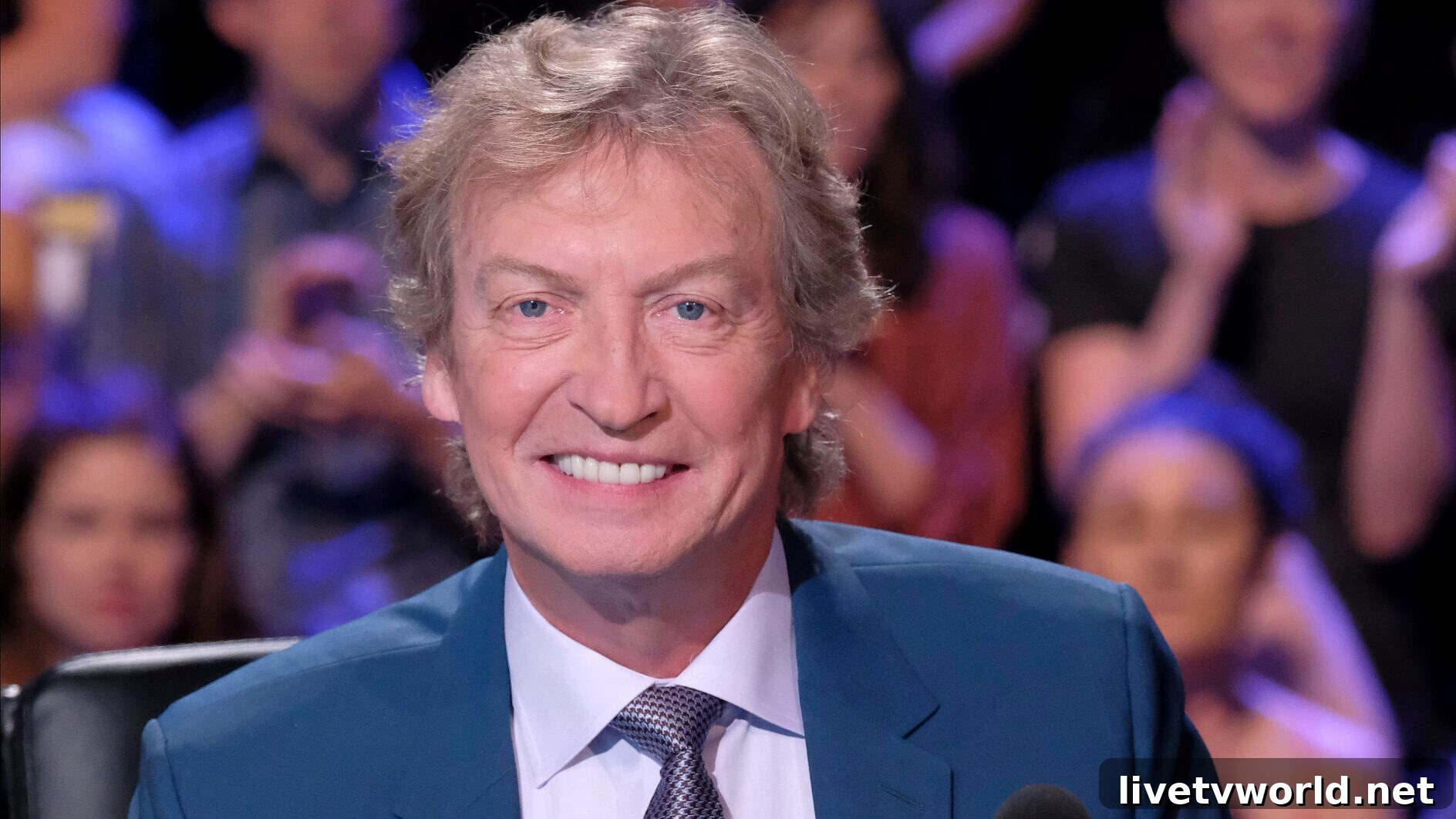
Nigel Lythgoe has stepped away from his roles as producer and judge on FOX’s long-running competition series So You Think You Can Dance after former judge Paula Abdul filed a civil lawsuit accusing him of sexual assault. Lythgoe, who co-created the series with Simon Fuller, will not be credited as an executive producer for season 18, which is scheduled to premiere on March 4.
In a public statement, Lythgoe said he is voluntarily withdrawing from this season to keep the spotlight on the dancers and the show, and to focus on clearing his name. He described the decision as difficult but necessary so the program’s attention remains on the contestants and their work.
FOX and Producers Confirm SYTYCD 18 Will Proceed
FOX, along with producers 19 Entertainment and Dick Clark Productions, issued a joint statement confirming that So You Think You Can Dance will go forward this season without Nigel Lythgoe. The statement emphasized the production’s commitment to the contestants and noted that no decision had yet been made regarding a replacement judge for the season.
Production sources indicate parts of the upcoming season were already filmed, including segments taped in Atlanta where Lythgoe appeared on the judging panel. Because large portions of the season were pre-recorded, removing or replacing a judge entirely from existing footage is complex. The show has previously navigated personnel changes midseason: in 2022, Matt Morrison was dismissed amid allegations of inappropriate messages to a contestant and was subsequently replaced by Leah Remini. For season 18, Comfort Fedoke, Allison Holker and Maks Chmerkovskiy are also listed as judges.
Paula Abdul Bombshell Lawsuit Claiming Nigel Lythgoe Sexually Assaulted Her
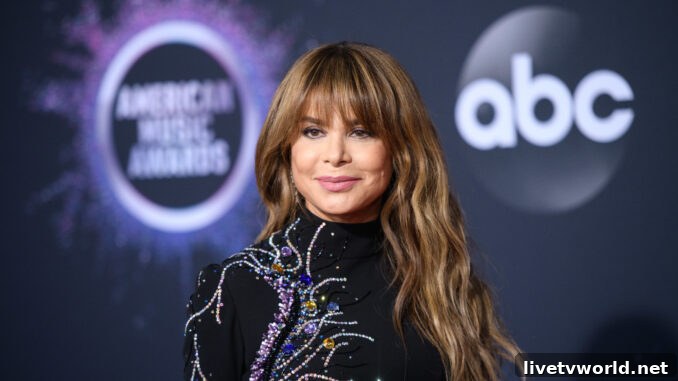
In her lawsuit, Paula Abdul describes two separate incidents she says involved Nigel Lythgoe. One incident allegedly occurred during the early touring seasons of American Idol auditions, when she says Lythgoe groped her breasts and genitals and attempted to kiss her while the production crew was away. The other alleged incident is said to have taken place in 2015, after she had signed on to judge So You Think You Can Dance; Abdul claims Lythgoe forcibly positioned himself on top of her on a couch during what was presented as a business meeting and attempted to kiss her. She also alleges she witnessed Lythgoe groping a member of her staff that same year.
Abdul says she did not report these incidents at the time out of fear of retaliation and because she believed they were part of a broader pattern of behavior. Her complaint names Lythgoe as well as multiple production entities, and brings claims including sexual assault and battery, sexual harassment, gender violence, and negligence. Abdul’s legal team invoked California’s Sexual Abuse and Cover Up Accountability Act, a statute that provides a limited time window for survivors to bring claims that otherwise would be barred by the statute of limitations.
Lythgoe has publicly denied the allegations.
After Abdul Filed, Two Contestants From a Short-Lived ABC Reality Show Accused Lythgoe of Sexual Assault
Following Abdul’s filing, two anonymous plaintiffs identified as Jane Doe K.G. and Jane Doe K.N. filed a separate lawsuit stemming from an alleged incident in May 2003 tied to a short-lived ABC reality program produced by Lythgoe. The complaint, which refers to the defendant under the placeholder John Roe N.L., alleges that after the show’s finale party the women were driven to a Los Angeles residence where they were subjected to unwanted kissing and close physical contact. Court records and reporting have indicated that John Roe N.L. is Nigel Lythgoe.
The two plaintiffs seek a jury trial and bring claims of sexual assault/battery, sexual harassment and negligence. Their filing attempts to rely on the same California statute used by Abdul. However, court documents show their complaint was filed on January 2, two days after the December 31 deadline to take advantage of the Special Act’s filing window, raising questions about whether the statute’s timing provisions apply to their claims. By contrast, Paula Abdul’s suit was filed within the statutory window.
These developments have prompted ongoing scrutiny of Lythgoe’s role in the industry and intensified public discussion about accountability and safety on reality television productions. Producers and networks have signaled an intent to continue the current season while evaluating how best to protect contestants and maintain the integrity of the competition as legal processes move forward.