
The Voice 29 Blind Auditions 3 Recap (VIDEO)
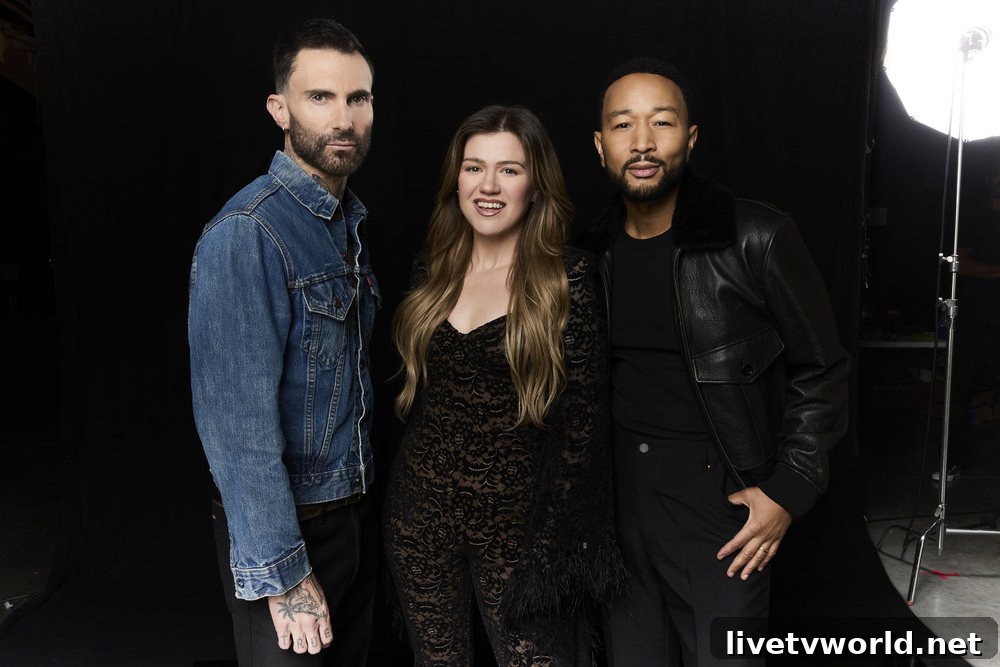
The Voice 29: Battle of Champions continues to refresh the long-running singing competition with a revised structure that raises the stakes during the Blind Auditions. Veteran coaches Adam Levine, Kelly Clarkson and John Legend return to mentor and select their teams, each aiming to assemble a roster of 10 artists. This recap reviews the highlights and tone of the third Blind Auditions episode while explaining how the new Triple Turn Competition shapes coach strategy and artist choices.
This season’s Blind Auditions remain built around the core premise: artists perform while the coaches listen with their backs turned, and a chair-turn signals a coach’s interest. What changes is the Triple Turn Competition twist. When all three coaches hit their buttons and create a three-chair turn, the power shifts to the artist, who must choose which coach to join. Coaches are competing not only to build strong teams but also to win the most triple-turns, since the coach with the highest number of three-chair turns secures a special advantage heading into the next phase of the contest.
Episode 3 kept the audition room electric with a variety of genres and vocal styles. Contestants ranged from soulful balladeers to pop powerhouses and gritty rock voices, giving the coaches a wide palette for team-building. The performances in this installment demonstrated both raw talent and polished stage presence, and the episode emphasized emotional storytelling as much as vocal technique. Several artists prompted emotional reactions and meaningful coach ad-libs, while others showcased surprising range that led to dramatic three-chair situations.
Coaching strategy became a focal point during this episode. With the Triple Turn Competition in effect, Adam Levine, Kelly Clarkson and John Legend were deliberate about when they hit their buttons and how they attempted to make their pitch after turning. Coaches balanced praise with targeted promises—highlighting vocal coaching, song choices, and arrangements they could offer—to persuade artists who found themselves choosing among multiple suitors. That negotiation dynamic added an extra layer of drama to the usual Blind Auditions format and showcased the coaches’ mentorship styles.
The chemistry between the coaches remained a highlight. Friendly banter, playful rivalry, and genuine moments of admiration helped shape the episode’s tone. When a three-chair turn occurred, the camera often focused on the interplay between coaches as they made their cases, revealing the personalities that viewers have come to expect from this coaching trio. The episode balanced competitive energy with supportive moments, underscoring that these coaches are both rivals and mentors.
As expected, not every audition resulted in a chair turn. That tension—between artists hoping for a seat and coaches making tough decisions—remained central to the episode’s narrative. For artists who secured a turn, the choice of coach sometimes involved considering genre fit, long-term vision, and the individual coach’s track record in developing singers. The episode gave viewers a clear sense of how important coach-artist chemistry can be in advancing through the competition.
Technically, the show continues to deliver high production values: professional staging, clean audio mixing, and close-up camera work that captures both vocal nuance and emotional reaction. Those production elements help emphasize standout moments while keeping the pacing brisk during a busy audition episode. Music direction and on-stage arrangement choices also highlighted each performer’s strengths while allowing the coaches to evaluate potential growth.
Looking forward, the Triple Turn Competition will play a determining role in the next rounds. The coach who accumulates the most three-chair turns gains an advantage that could influence pairings, song selections, or other strategic elements in the battles to come. As teams approach the limit of 10 artists, each coach’s decisions during the remaining Blind Auditions will shape not only their roster but also their ability to capitalize on the new competition mechanics.
In summary, The Voice 29 Blind Auditions episode 3 delivered a mix of heart-stopping moments and solid musical performances, while reinforcing the strategic layer introduced by the Triple Turn Competition. The returning coaches—Adam Levine, Kelly Clarkson and John Legend—showcased their distinct coaching styles and competitive instincts, leaving viewers eager to see how the advantage from three-chair wins will affect the next stages of the Battle of Champions. For fans of the show, this episode reinforced that talent, timing, and coach chemistry are once again the elements that make The Voice must-watch television.