
Ad Age has published its annual network TV ad-pricing chart, and the results reaffirm what many marketers already expect: live sports command the highest rates, while breakout scripted series can also demand premium prices. At the same time, several long-running reality shows have slipped in value compared with prior seasons. Below is a clear summary of the current top ad buys, key percentage changes and what these shifts suggest for advertisers and networks.
Top 10 most expensive network TV ad buys (average cost per 30‑second spot):
- Sunday Night Football – NBC – $603,000
- Empire – FOX – $497,364
- Thursday Night Football – CBS – $464,625
- The Big Bang Theory – CBS – $348,300
- How to Get Away with Murder – ABC – $252,934
- The Voice (Monday) – NBC – $240,502
- Modern Family – ABC – $239,993
- The Voice (Tuesday) – NBC – $233,720
- Scandal – ABC – $224,509
- Blindspot – NBC – $209,700
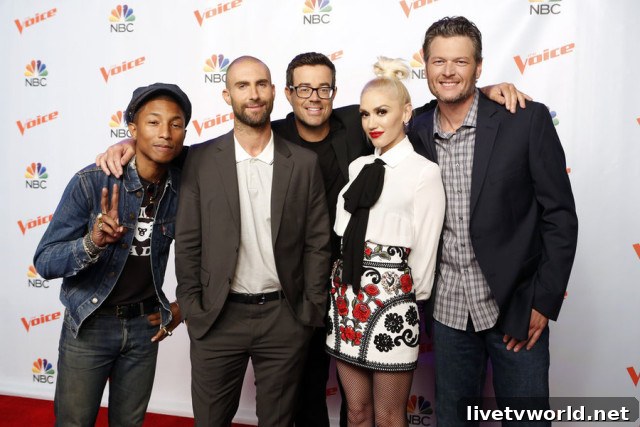
- The Voice (Monday) slid one rank from last season, down 12% from $274,157 to $240,502. The Voice (Tuesday) dropped two spots with an 8% decline from roughly $253,840 to $233,720.
- American Idol (Wednesday) saw a sharp decline, plunging about 39% from $243,200 last season to $147,826 this season. Historically, ad rates for American Idol were far higher—reports from the show’s peak seasons noted average spots that exceeded $700,000 and, for special events such as finales, estimates that eclipsed $1 million per 30‑second spot.
- Dancing with the Stars experienced a modest drop of about 2%, moving from $118,606 to $115,962.
- Survivor fell roughly 7%, from $134,358 to $125,449.
- The Amazing Race declined about 14%, from $76,375 to $65,517.
- How to Get Away with Murder is a new addition to the list and represents the season’s largest percentage gainer, rising approximately 73% to reach its current rate.
- Blindspot is a brand‑new series on the chart and ranks among the most expensive new broadcast programs for the season.
What these numbers make clear is that advertisers continue to pay a premium for programs that reliably deliver live, engaged audiences in valuable demographic groups. Football telecasts—Sunday Night Football and Thursday Night Football—remain the top draws because live sports are relatively immune to time-shift viewing and retain strong real-time viewership, which is particularly attractive for advertisers seeking immediate reach and impact.
At the same time, hit scripted series like Empire and long-established comedies such as The Big Bang Theory still command high rates due to consistent audience size, strong social media buzz and favorable demographics. New scripted hits that capture attention quickly—How to Get Away with Murder being a notable example—can see sharp year-over-year increases as networks and advertisers pay up for concentrated reach.
Conversely, several established reality franchises have seen their ad costs decline. The decreases for shows like American Idol, Dancing with the Stars, Survivor and The Amazing Race reflect broader shifts in viewing habits: audience fragmentation across streaming platforms and delayed viewing reduce the value of linear ratings, and many reality formats face increased competition for attention. For advertisers, this presents both challenges and opportunities—rates are lower for some reality tentpoles, but those programs may also offer less predictable or less concentrated audiences than they once did.
For media buyers and brand marketers planning allocations, the data suggest several practical takeaways: prioritize live-event inventory for campaigns that demand immediate reach and real-time audience engagement; consider placing higher-value buys around breakout scripted series that generate cultural conversation; and evaluate the cost‑per‑thousand impressions and target demographics carefully when allocating spend to reality formats that have softened in price.
Overall, the Ad Age pricing snapshot underscores how the live‑event advantage and the appeal of breakout scripted hits continue to shape premium network ad pricing. Advertisers should watch seasonal shifts, new series momentum and broader changes in viewer behavior as they negotiate buys and plan media strategies for the coming months.