

Katy Perry American Idol Controversy: The press, fair coverage or bullying?
Tabloid outlets thrive on drama, and this season they repeatedly turned their attention to Katy Perry’s role on American Idol. Coverage from publications known for sensational headlines often highlighted supposed “controversies” involving Perry, framing routine moments and typical reality TV drama as evidence of a larger pattern of misconduct. That coverage raises questions about whether the press was providing fair reporting or simply piling on for clicks.
Fans have always reacted strongly to singing competitions. Since American Idol began, passionate viewers have defended favorites and attacked judges, producers, and rival contestants. That dynamic fuels a cycle of outrage: a judge shows tough love or cracks a joke, some fans take offense, and tabloids amplify the reaction as a major controversy. While a handful of incidents this season prompted genuine backlash, much of the noise felt like recycled outrage magnified by social media and sensational headlines.
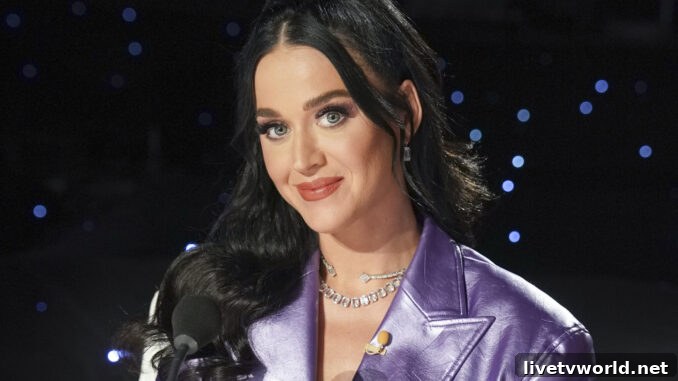
The Katy Perry controversies
Several recurring storylines were presented as “controversies” this season:
- When Perry advised a theatrical performer to tone down a stage gimmick, some viewers accused her of being dismissive. Producers and live audiences sometimes reacted in ways that made the moment feel more dramatic than T.V. rehearsals normally would.
- A viral video showed a moment in which Perry appeared to “fake out” contestants when announcing whether they’d advanced. That sort of suspenseful reveal has been part of American Idol for decades; it’s meant to create tension and emotional beats for television, not to single out one judge’s behavior.
- Perry expressed surprise that a Platinum Ticket recipient was eliminated after another contestant delivered a standout performance. Some fans interpreted her remarks as a slight, while others saw them as an emotional response from a judge invested in contestants she’d supported.
These examples reflect the typical volatility of reality-show fandom: intense loyalty to contestants, quick reactions to perceived slights, and media outlets eager to frame every upset as scandalous. Much of this season’s online outrage fell into that pattern rather than representing a fundamentally different or new type of behavior from the judge.
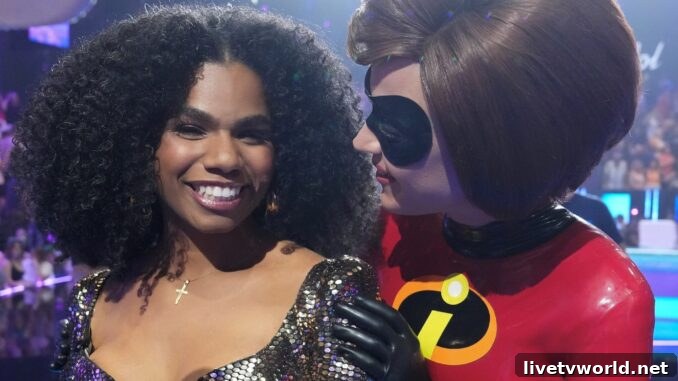
A few contestants did call Katy out
Not every complaint was manufactured. A few contestants openly said they were hurt by Perry’s remarks. One contestant publicly described comments as “embarrassing” and “hurtful,” and later removed the post and softened her stance. Another contestant’s family member accused Perry of “bullying” on social media, alleging that a harsh response left the contestant feeling devastated. Those reactions sparked legitimate debate about judge conduct, tone, and the line between candid feedback and personal criticism.
Still, it’s important to note that American Idol judges are expected to provide blunt feedback and emotional entertainment. Perry’s style—energetic, sometimes brash, sometimes tender—has been consistent across seasons. She can be outspoken and theatrical, but she also offers praise and mentorship. The role of a television judge is part critique, part performance, and producers often emphasize the most dramatic moments for broadcast.
Katy’s behavior didn’t change, yet the press piled on
What made this season’s media coverage stand out was less that Perry behaved differently and more that outlets repeatedly framed routine judge behavior as a pattern of malicious conduct. Stories alternated between claiming she was unbothered by backlash and reporting that she considered leaving the show after negative edits made her look harsh. Contradictory anonymous sources and speculative reporting fed the cycle, making it hard for readers to distinguish between the judge’s actual actions and the sensationalized narratives constructed around them.

Reports say Katy is quitting American Idol for….reasons
Speculation about whether Katy Perry will return for another season also circulated widely. Networks typically confirm casting nearer to production, and judges often keep future plans vague while negotiating contracts. Stories suggested several possible reasons for a departure, from wanting more family time to contract negotiations, but these reports varied and relied on unnamed sources. For now, the shows’s official announcements remain the most reliable indication of the judges’ status.
Oliver Steele defends Katy
Among the contestants, some spoke up in Perry’s defense. Top 8 finalist Oliver Steele publicly praised her, saying that she is “not a bully” and that her feedback helped him grow artistically. He described Perry’s ability to understand and articulate what artists need as a strength, and expressed hope she would remain on the show. Such endorsements underscore that judge-contestant interactions can be complex: what some viewers perceive as harshness can be constructive mentorship for the performers themselves.
In summary, tabloid coverage and social media outrage amplified a seasonal pattern of strong reactions to a prominent judge. While a few moments legitimately prompted concern, much of the debate reflected long-standing reality-TV dynamics: devoted fans, theatrical production choices, and media outlets eager to sensationalize conflict. Female celebrities, particularly outspoken ones, often face disproportionate scrutiny in that environment. As coverage continues, readers should weigh original footage and direct statements from those involved before accepting the loudest headlines as the full story.
“Katy is not a bully,” wrote Oliver Steele in defense of the judge, noting her ability to identify and help address artistic struggles in contestants.