
Britney Spears calls out Ryan Seacrest in her new memoir
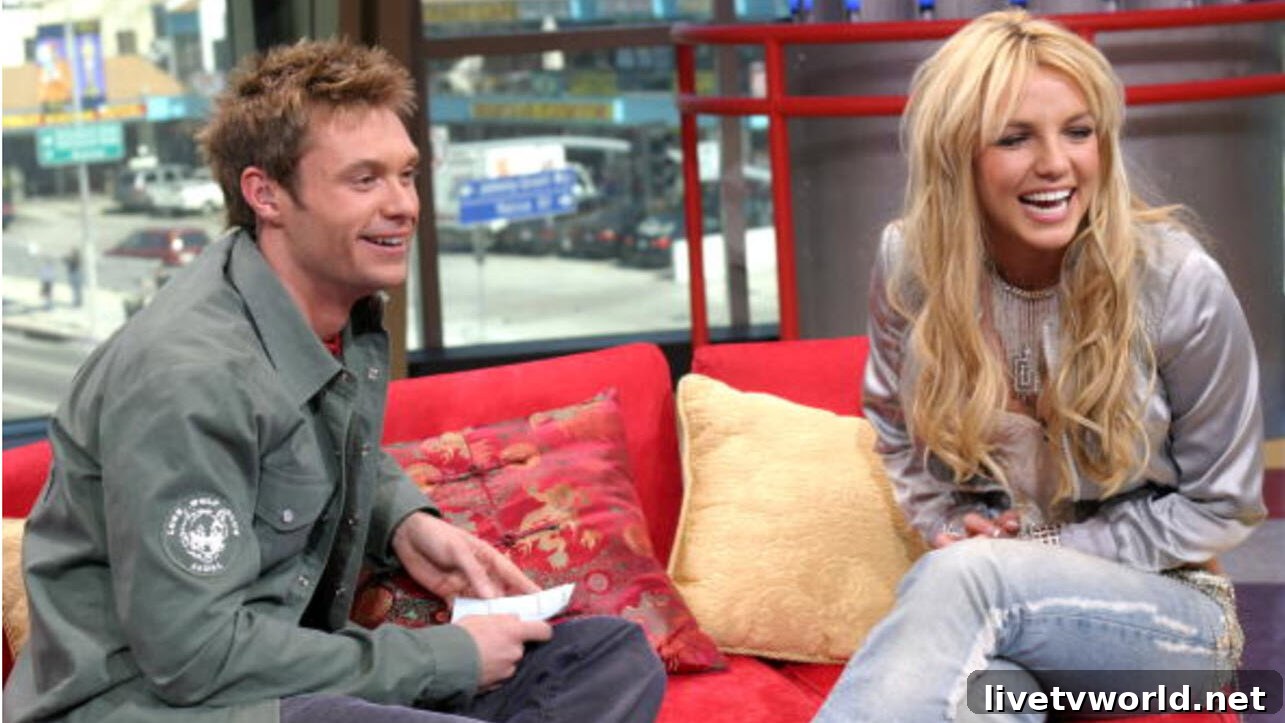
Britney Spears criticizes longtime media figure Ryan Seacrest in her new memoir, describing a radio interview from 2007 that she says turned attention away from her music and toward her abilities as a parent.
In The Woman in Me, Spears recounts that a promotional appearance intended to focus on her Blackout album instead centered on questions about her fitness as a mother. She quotes Seacrest asking, “How do you respond to those who criticize you as a mom?” and “Do you feel like you’re doing everything you can for your kids?” as well as “How often will you see them?” Spears writes that the line of questioning made her feel judged rather than supported at a time when she hoped to discuss her work.
Spears stresses that the interview was supposed to promote her music and that she found it frustrating that the conversation repeatedly circled back to whether she was a fit parent. She emphasizes that she had created what she calls “a strong album” while caring for her two young sons and coping with relentless media attention and paparazzi intrusion. According to the memoir, the focus on her parenting rather than her art left her feeling misrepresented.
The memoir notes that, despite her displeasure with that particular interview, Seacrest continued to interview Spears on multiple occasions afterward. Spears’ account highlights how media narratives at the time often emphasized her personal struggles over her professional accomplishments.
At the time of the 2007 interview, Spears was engaged in a custody dispute with her then-husband Kevin Federline over their sons, Sean Preston and Jayden. The memoir recounts that Federline was later awarded sole legal and physical custody in January 2008 after a period when Spears was hospitalized for psychiatric treatment. The following month, Spears was placed under the conservatorship that her father administered — a legal arrangement she says controlled many aspects of her life for years and which, according to public records and her own account, lasted until November 2021.
Other bombshells in the book include an abortion, and cheating Justin Timberlake
Spears’ memoir contains additional revelations about her personal life, some of which revisit well-known relationships and incidents with new details. She writes about becoming pregnant during her relationship with Justin Timberlake and says that while she wanted to continue the pregnancy, Timberlake did not want to become a father. Spears recounts having a medical abortion at home and describes the fear and physical pain she experienced during that time, as well as anxiety about seeking medical help out of concern that the situation might become public.
She also addresses infidelity, acknowledging that she cheated on Timberlake during their relationship while asserting that he was unfaithful as well. In the memoir she names a relationship on his part with another singer but declines to identify that performer by name. Spears frames these revelations as part of a candid effort to tell her own story in full, offering readers context for decisions and hardships that became public headlines.
Spears explains in the book why she initially acquiesced to the conservatorship, saying she believed complying would help her regain access to her children. She writes that by playing by the rules she eventually reestablished visitation rights in July 2008 and later shared custody arrangements. The memoir recounts changes in custody over the years, including a 2019 adjustment that granted Kevin Federline a larger share of parenting time and a subsequent relocation of the children to Hawaii with Spears’ consent.
Throughout The Woman in Me, Spears offers reflections on fame, the pressures of parenthood under public scrutiny, and the ways in which media interviews and legal battles shaped her life. She frames many of the book’s disclosures as attempts to correct the record and present her perspective on events that were often covered through tabloid lenses.
While the memoir’s claims have drawn attention and renewed discussion about media conduct, celebrity privacy, and the long-running conservatorship, the book itself focuses on Spears’ personal testimony and her effort to reclaim her narrative. The memoir is now available to readers, and it adds another chapter to ongoing conversations about accountability, autonomy, and how public figures are portrayed during times of personal crisis.
As of this publication, Spears reports that Ryan Seacrest has not publicly responded to her recounting of the 2007 interview. Her book continues to be a focal point for discussion among fans, critics, and media commentators interested in the intersections of music, fame, and personal life.