
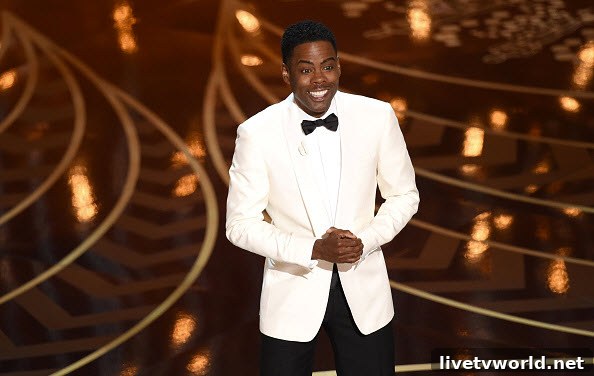
Comedian Chris Rock served as host of the 2016 Academy Awards on February 28, delivering a sharp, memorable opening monologue that focused squarely on racism and representation in Hollywood. Rather than joining the year’s boycott conversation, he used the platform to address the issue head-on with a blend of wit, candor, and pointed observations. His performance balanced humor and seriousness, prompting discussions about the industry’s diversity and the role of comedians in cultural critique.
Throughout the telecast, Rock’s material returned repeatedly to the subject of racial inclusion, making clear how central that conversation had become for the awards season. He walked the line between satire and social commentary, intertwining punchlines with moments that underscored long-standing frustrations over casting and recognition. The monologue’s tone—equal parts biting and thoughtful—helped foreground a debate that extended beyond the ceremony itself: how to improve opportunities for underrepresented actors and storytellers throughout the industry.
Chris Rock’s Monologue
The rest of the broadcast included a number of comedic sketches that reimagined the year’s nominated films with different casting choices. One ensemble sketch featured Whoopi Goldberg, Leslie Jones, Tracy Morgan, Chris Rock, Jeff Daniels, and Kristen Wiig in playful takes on well-known roles. These bits used comedy to highlight the disparities in Hollywood casting while offering audiences a chance to laugh at how different stories might read with alternative performers in lead parts.
Black Actors Recreate This Year’s Best Pictures
Among the sketches, Tracy Morgan portraying a version of The Danish Girl and a skit imagining Chris Rock stranded on Mars stood out for their comic creativity. The sketches were intentionally exaggerated to make a point: representation matters, and swapping roles can reveal both the arbitrariness of some casting conventions and the richness different actors can bring to familiar material.
Another segment introduced a fictionalized Director of a Minority Outreach Program, a bit that walked into awkward territory when it featured Stacey Dash. The sketch played for discomfort and satire, touching on themes of authenticity and what it means to represent a community within the entertainment industry. The choice of performer and the comedic setup invited viewers to think about who gets to speak for a group and how outreach and advocacy are perceived by the public.
Stacey Dash Supports Black History Month
Later in the show, a playful sketch suggested that actress Angela Bassett was paying tribute to Will Smith for Black History Month, though the bit quickly subverted expectations in humorous ways. These framed moments throughout the telecast used well-known performers to explore identity, recognition, and the awkwardness that can arise when mainstream ceremonies try to address complex social issues in short sketches.
Angela Bassett – Black History Month
Overall, the 2016 Oscars used a mix of stand-up, sketch comedy, and star-driven moments to engage with a difficult and timely subject: racism in Hollywood. The evening’s comedic material emphasized how humor can be an effective tool for opening up conversation while also acknowledging the limits of a single night to solve entrenched problems. The show highlighted a broader cultural moment in which audiences, industry professionals, and media outlets were increasingly focused on representation, equity, and the ways in which award ceremonies reflect—or fail to reflect—the full diversity of talent in film.
For viewers watching that night, the program offered both laughs and a reminder that meaningful change requires sustained attention beyond televised events. The sketches and the monologue alike contributed to public discourse by framing questions about diversity in accessible, often funny ways, while also underscoring the seriousness of the issues at hand. As a cultural moment, the ceremony illustrated how entertainment can catalyze discussion about inclusion and the ongoing efforts to make Hollywood more representative of the audiences it serves.