
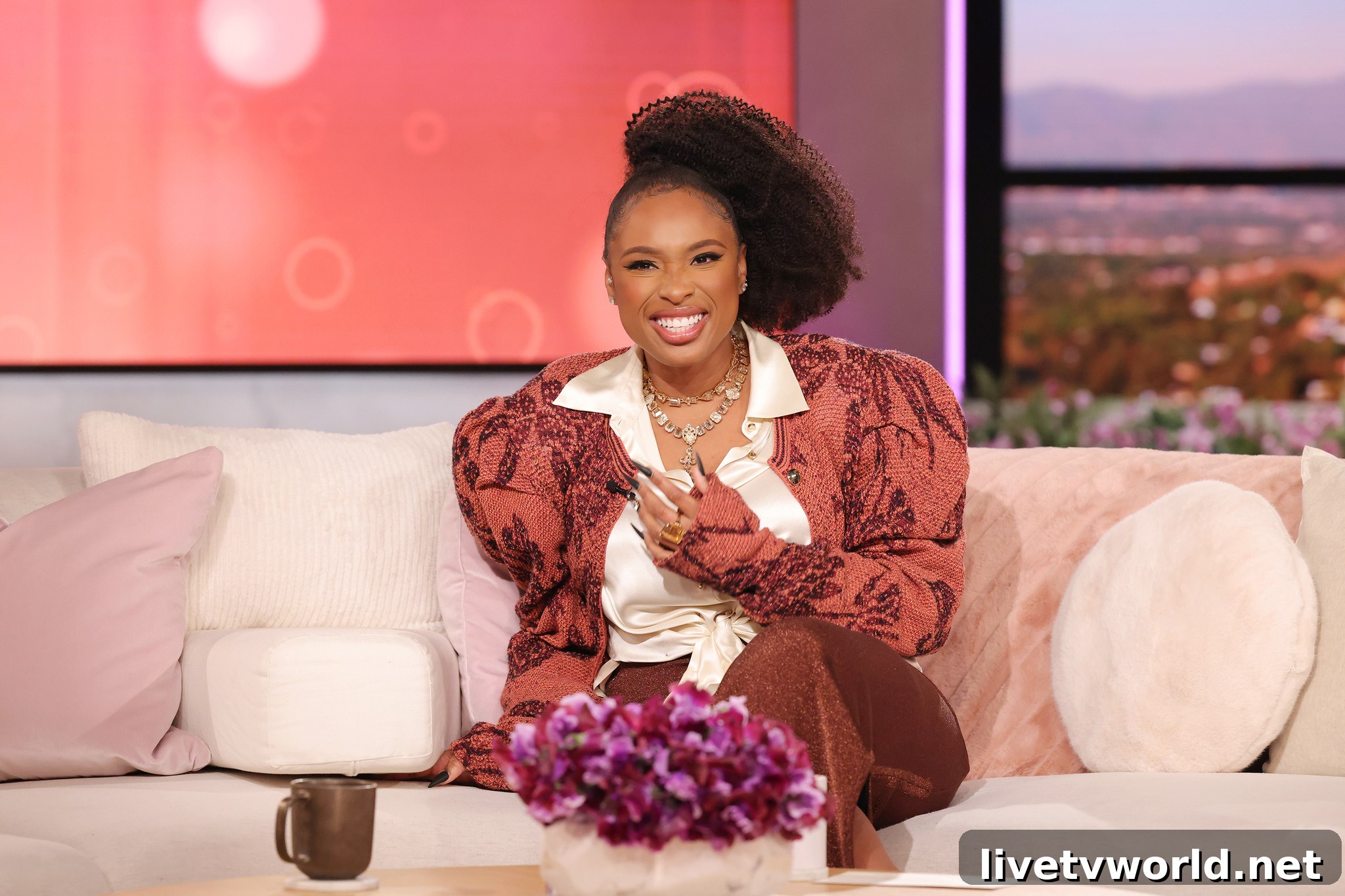

The Jennifer Hudson Show will not premiere Season 2 on September 18 as planned amid writers strike
The Jennifer Hudson Show had been taping episodes and initially planned to return with new episodes on Monday, September 18, despite the ongoing Writers Guild of America (WGA) strike. On Sunday afternoon, production announced it would delay the Season 2 premiere and pause further production. The decision follows growing criticism around daytime programs considering a return while the WGA remains on strike.
Earlier in the week, high-profile daytime hosts faced intense scrutiny for choosing to resume productions. The backlash was especially strong after the host of a popular talk show publicly defended a return to air, drawing widespread criticism and eventually reversing course. Several other programs also elected to postpone their planned premieres in solidarity with WGA members or in response to mounting public pressure.
Had it proceeded, The Jennifer Hudson Show would have been one of the few daytime talk shows covered by the WGA to continue production during the strike. Other WGA-covered programs that have continued in some capacity include long-running series with established daily formats. Several syndicated or independently produced daytime shows are not covered by the WGA and operate under different contractual obligations.
Kelly Clarkson has NOT announced a premiere date yet
The Kelly Clarkson Show has not announced a firm premiere date. Production for that program relocated from Universal Studios in Los Angeles to a New York studio, and the host and her crew have been preparing in New York City for their upcoming season. At the same time, industry-wide uncertainty related to both the WGA and SAG-AFTRA actions has left many programs without confirmed launch dates.
The Screen Actors Guild–American Federation of Television and Radio Artists (SAG-AFTRA) is also engaged in labor actions. Talk show hosts and programs, however, operate under the SAG-AFTRA Network Code, which allows hosts to remain on air in their hosting roles without necessarily violating union rules. That distinction has created a complex environment in which shows must weigh union guidelines, contractual obligations, and public expectations.
Jennifer Hudson planned to welcome Gwen Stefani, Niall Horan, Carrie Ann Inaba as guests during now postponed premiere week
For the now-postponed premiere week, Jennifer Hudson’s guest lineup included musicians and television personalities such as Gwen Stefani, Niall Horan, country singer Kane Brown, and Dancing with the Stars judge Carrie Ann Inaba. Those appearances would likely have tied into promotional cycles for upcoming projects and television seasons. Under strike rules, however, actors and many performers are restricted from promoting work, which would complicate or prevent participation by some high-profile guests.
The pressures faced by daytime programs are multifaceted. Syndicated shows are often contractually obligated to deliver a set number of episodes each season and can face penalties if they fail to meet those requirements. At the same time, resuming production while writers and other industry professionals remain on strike can weaken collective bargaining leverage and spark public backlash. Producers and networks must balance contractual duties, financial realities, and the broader labor landscape when making programming decisions.
Producers and hosts who have kept a low public profile during these developments have generally avoided the intense criticism aimed at those who announced returns prematurely. In several recent instances, high-profile reversals came after mounting negative attention, underscoring how sensitive daytime television is to both union concerns and audience perceptions. With multiple labor organizations involved and negotiations still underway, many shows are choosing to pause or delay returns rather than risk undermining union efforts.
For viewers and industry observers, the pause of The Jennifer Hudson Show reflects a broader moment of negotiation and caution across television production. As talks between unions and producers continue, the fate of many daytime series will hinge on the progress of those negotiations, the enforcement of contractual obligations, and the willingness of shows to stand in solidarity with writers and other creative professionals.