
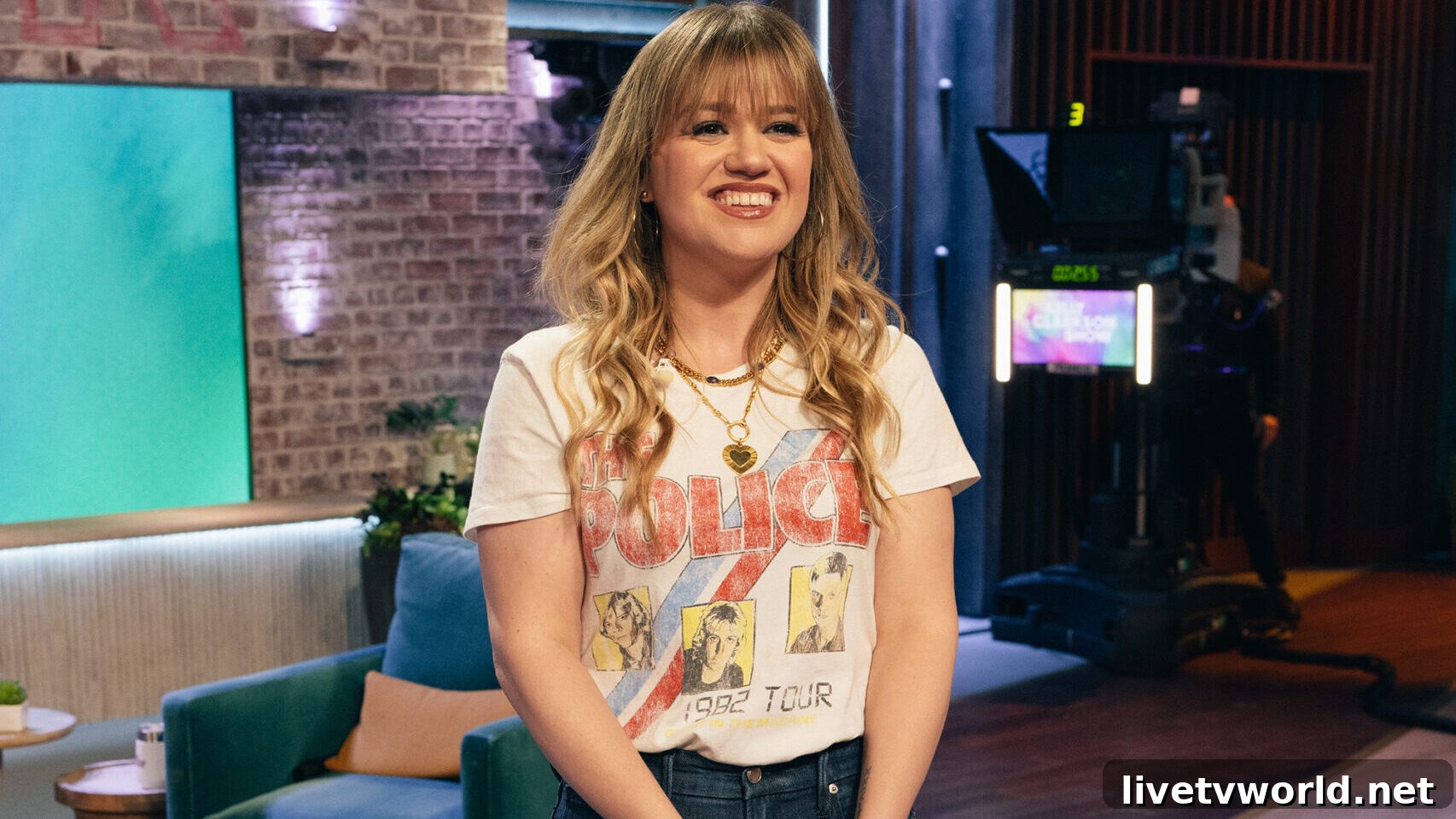
Kelly Clarkson reveals that an American Idol producer was NOT a fan because of makeup
Kelly Clarkson has opened up about an early tension during her rise on American Idol: a high-ranking producer who wasn’t pleased because she refused to play the makeup game off camera.
On the February 26 episode of the podcast where she was a guest, Clarkson recalled producers prepping the cameras and urging her to be ready. “They were like, ‘So we’re about to be on camera,’ and I was like, ‘I know,’” she said. “And they were like, ‘But you’re going to be on camera,’ and I was like, ‘I know.’”
Kelly explains that while she did wear stage makeup for performances, she avoided getting dolled up for behind-the-scenes footage and video packages. That choice didn’t sit well with one senior producer, she said: “One producer in particular, very high up, was not a fan of me just because I didn’t play that game.” The other finalists that season, she added, were much more into the backstage beauty routine.
Clarkson was one of five women in the top 10 that season, alongside Tamyra Gray, Christina Christian, Ryan Starr and the late Nikki McKibbin. The five toured together from October to November 2002 after Clarkson won the inaugural season of American Idol in September of that year.
She said her reluctance to sit in the hair and makeup chair actually made her easier to tour with. “I was the most amazing person to tour with,” she joked, because she was “never in the makeup and hair chair.” Recalling the pressure to conform, she said producers sometimes had to practically force her to sit through long glam sessions.
Clarkson also explained the practical reason behind her resistance: she’s “highly allergic” to products that get near her eyes, so she simply doesn’t enjoy wearing a lot of makeup. She made it clear she appreciates makeup as an art form but that it’s not her personal preference. That distinction — respecting the craft while choosing not to participate — helps explain the early friction with some in the Idol machine.

The road to stardom was bumpy
Beyond makeup and backstage expectations, Clarkson said her path after American Idol wasn’t straightforward. Winning the show gave her visibility, but it also presented challenges: industry decision-makers weren’t sure how to position an artist who comfortably crossed pop, R&B and country genres. “Things were bumpy from the beginning,” she said, noting that different people had different plans for her and weren’t certain what would work.
That uncertainty extended to early career moves she didn’t welcome. Clarkson recalled being upset when she learned that the show’s winner would be required to do a film project. She “cried so hard” at the prospect because her goal was to sing and tour, not to act. The resulting musical, From Justin to Kelly, co-starred runner-up Justin Guarini and became notorious for its poor box-office performance.
Fearing that the movie could undermine her credibility as a recording artist, Clarkson pushed the label to release her first single before the film’s debut. She believes that early single release helped protect her career trajectory, giving listeners a clearer sense of her musical identity independent of the movie. That early strategic decision, she feels, played a part in allowing her to continue focusing on singing and touring.
Throughout this period, Clarkson navigated management and label expectations while trying to stay true to what she wanted artistically. Her reflections today highlight how winning a televised singing competition can be a double-edged sword: it brings immediate fame but also intense external pressures to conform to promotional plans, image expectations, and media tie-ins that may not align with the artist’s personal goals.
Her story underscores several broader points about celebrity and identity in the entertainment industry. First, image and presentation can overshadow talent in behind-the-scenes decisions; second, artists often have to advocate strongly for their own artistic priorities; and third, early choices — like releasing a single at the right time — can significantly influence how a career unfolds. Kelly Clarkson’s honesty about being allergic to eye products, her preference to avoid excessive backstage glamour, and her insistence on prioritizing music over unwanted acting roles all helped shape the long, successful career that followed.
Now an established host and performer, Clarkson often reflects on those formative moments with a mix of humor and seriousness. Her experience on American Idol and the immediate aftermath remain a telling example of what it takes to protect creative integrity while navigating the business side of fame.